The Art of The Memoir
About
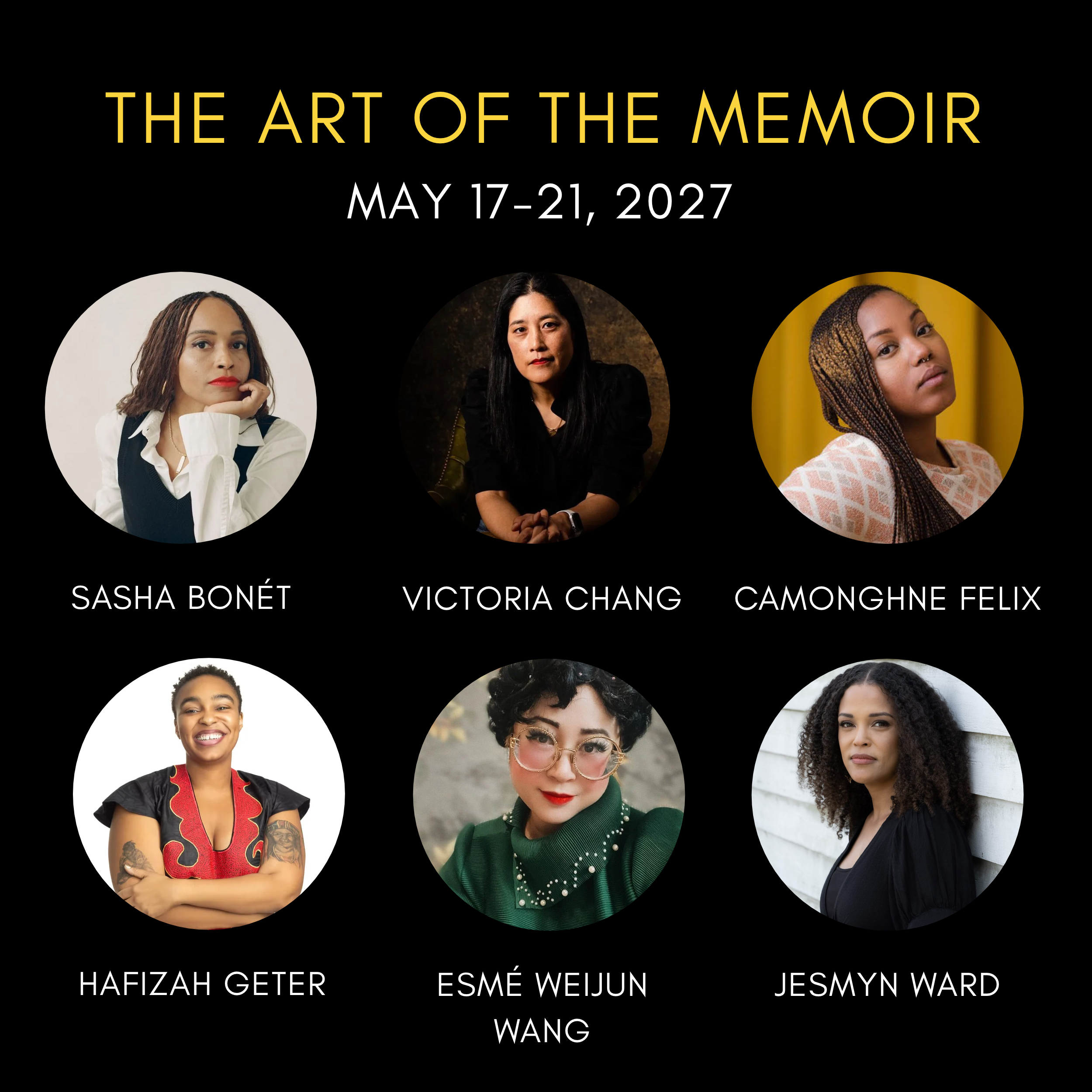
The Art of the Memoir is a virtual program, which will be held on May 17-21, 2027. The program is uniquely designed to help you flesh out your concept, idea or manuscript-in-progress and continue writing. Over the course of the week, we will conduct craft conversations with each of our guest speakers, to learn the different elements of craft used in their work. We will have guided exercises to help you unlock your own process, and discussions on how to move forward with your own memoir.
Dates & Fees
The program will be held virtually on May 17-21, 2027 (all sessions will be held in Pacific Time). The program costs $2,800. Several partial fellowships are available; they will be allocated on a first come, first serve basis. Applications are now open; the priority deadline to be considered for fellowships is November 30th. There are limited spots in the program; early applications are encouraged.
What to Expect
Each day, we will convene with a different guest speaker. Guest speakers are all renowned writers working across genres, with published memoirs of their own, and often working across genres. Speakers will conduct a craft conversation, engage in in-depth discussions about different elements of craft used in their own work, followed by generative sessions. We will also conduct a session on the submission process of memoirs with a guest speaker or literary agent.
The program is not meant to be prescriptive; rather, all sessions are designed to help you unlock your own creative process, understand the questions that are driving your narrative, so you can create a path to complete your work. Most importantly, engaging both critically and creatively with peers and guest speakers will help you acquire the necessary skills and tools you’ll need to create the singular framework for your project, as well as establish a consistent and rigorous creative practice so you can return to your work with more intentionality. Guest speakers have been selected because of the caliber of their work, their generosity of knowledge, the expansiveness of their craft, and their thoughtfulness in holding different modes of storytelling that can help you map out the possibility of your own work.
Participants will have the chance to engage with guest speakers about their own work, ask questions about craft, the creative process, the publishing industry, and more. Please note: to attend this program, you do not need to have a manuscript-in-progress yet, but it helps to have a concept or idea in mind, so you can work with more intentionality throughout the program (and beyond).
At Anaphora, we consider the definitions of genre and craft to be fluid and shifting. If your memoir is multi-modal and blurs genres/boundaries, this is the right fit for you. For more questions about this, please contact us.
Speakers
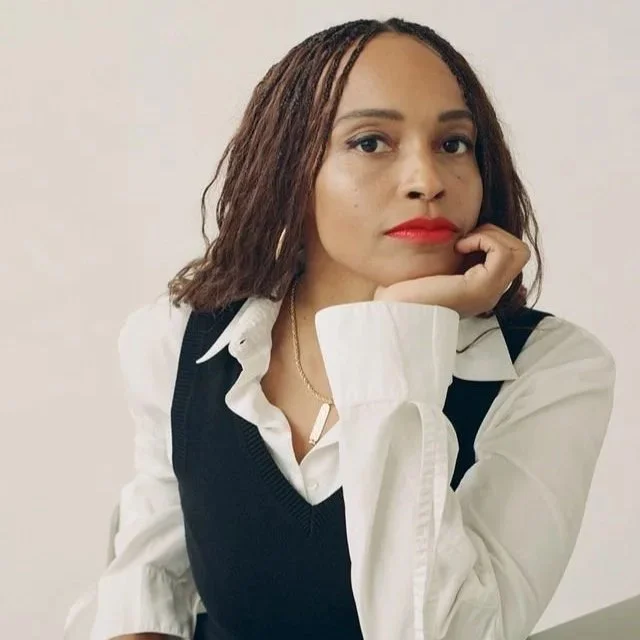
Sasha Bonét
Sasha Bonét is a writer and critic living in New York City. Bonét’s debut book The Waterbearers (Knopf)—a sweeping intergenerational memoir and cultural history on Black motherhood in America—was selected as one of the best books of 2025 by Time, NPR, and New York Magazine. She teaches nonfiction writing at Columbia’s School of the Arts and Barnard College and serves as the nonfiction editor at Apogee Journal.
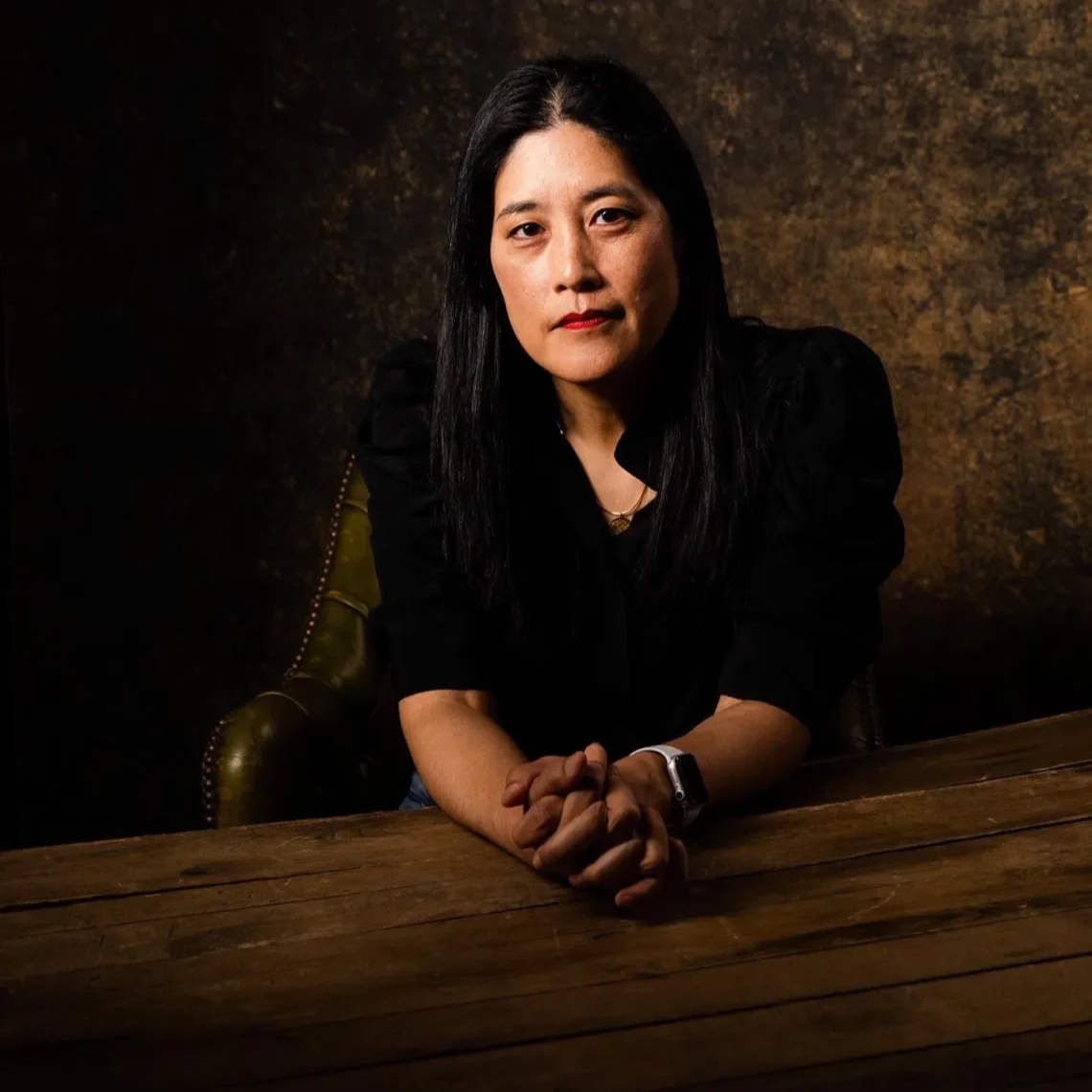
Victoria Chang
Victoria Chang’s most recent book of poems, Tree of Knowledge, published by Farrar, Straus & Giroux in the U.S. and Corsair/Little Brown in the U.K., was a finalist for the National Book Award. Her most recent book of poems is With My Back to the World, published in 2024 and received the Forward Prize in Poetry for Best Collection. A few of her other books include The Trees Witness Everything, OBIT, and Dear Memory: Letters on Writing, Silence, and Grief. She has written several children’s books as well, such as Eureka. She has received a Guggenheim Fellowship, the Chowdhury International Prize in Literature, and a National Endowment for the Arts Fellowship. She is the Bourne Chair in Poetry at Georgia Tech and Director of Poetry@Tech.
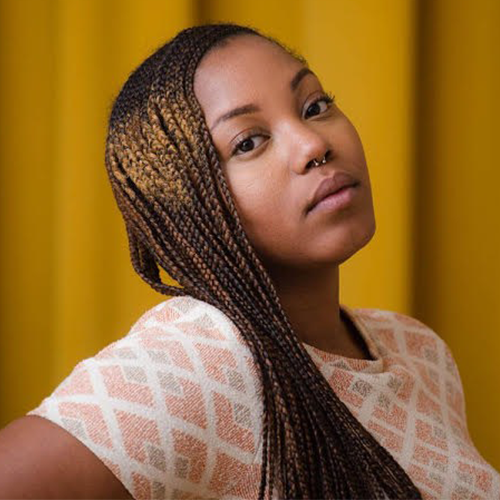
Camonghne Felix
Camonghne Felix is a poet, writer, speaker, and political strategist. She received an MA in arts politics from NYU, an MFA from Bard College, and has received fellowships from Cave Canem, Callaloo, and Poets House. Her first full-length collection of poems, Build Yourself a Boat (Haymarket Books), was longlisted for the 2019 National Book Award for Poetry and shortlisted for the PEN/Open Book Award and for a Lambda Literary Award. Her book Dyscalculia (One World) was longlisted for the PEN/Jean Stein Book Award. Her poetry has appeared in or is forthcoming from the Academy of American Poets website, Freeman’s Journal, Harvard Review, LitHub, The New Yorker, PEN America, Poetry Magazine, and elsewhere. Her essays have been featured in Vanity Fair, New York Magazine, Teen Vogue, and other places. Her latest book is Let the Poets Govern: A Declaration of Freedom(One World). The book, part-memoir and part-manifesto, is an interpretation of Black radical literary traditions and reimagination of freedom through refusal, which is a finalist for the National Book Award in nonfiction. She is a professor of writing at The New School.
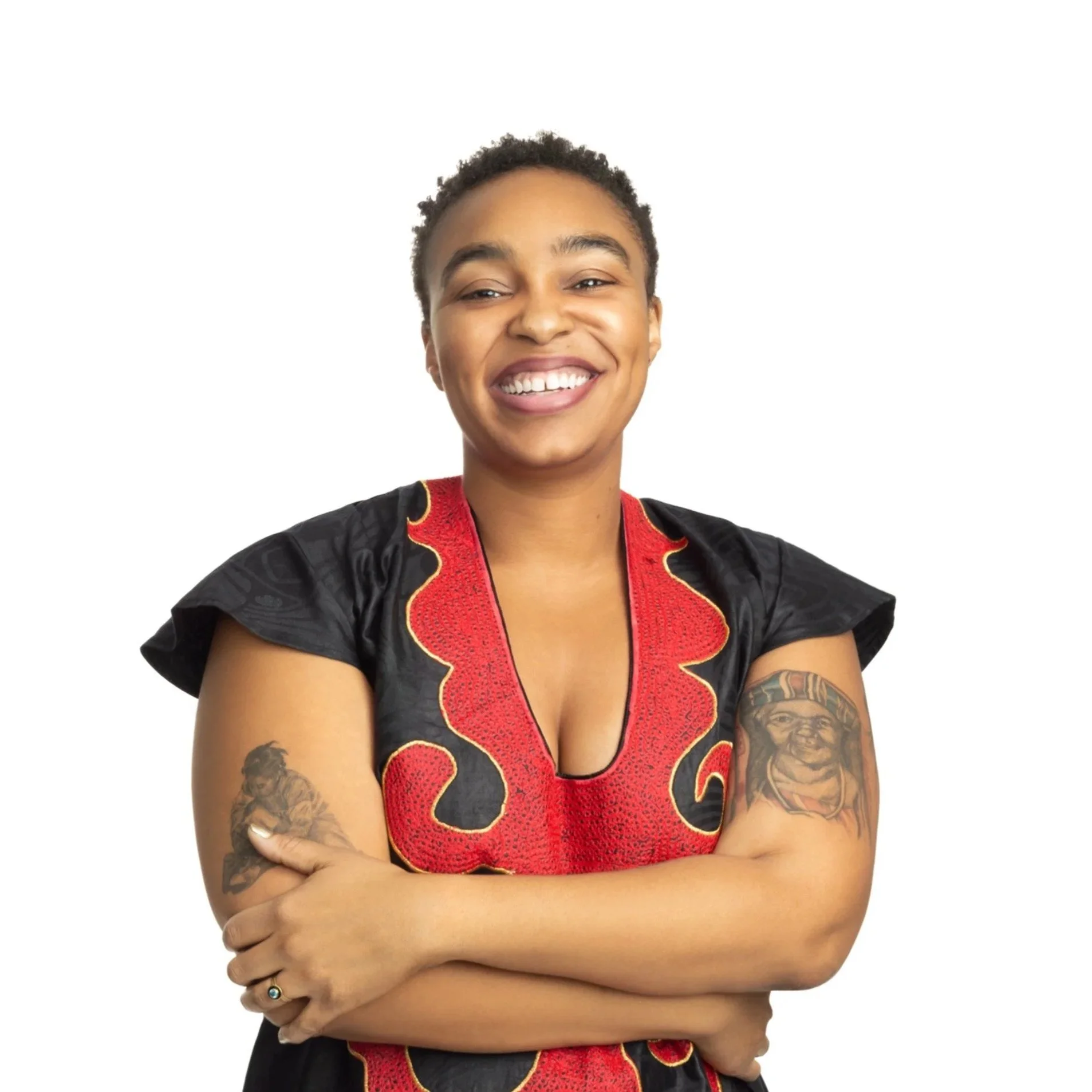
Hafizah Geter
Hafizah Augustus Geter is a Nigerian/U.S. writer born in Zaria, Nigeria, and raised in Ohio and South Carolina. She is a Hawthornden fellow in fiction, a Civitella Ranieri nonfiction fellow, a Bread Loaf Katherine Bakeless nonfiction fellow, and a Cave Canem poetry fellow. Her memoir, The Black Period: On Personhood, Race & Origin (Random House), won a PEN Open Book Award, and a Lammy Award in LGBTQ+ Nonfiction from Lambda Literary, and was a New Yorker Magazine Best Book, a Good Morning America Anticipated Book, an Amazon's Best of the Month Editor's Pick, and a finalist for the Chautauqua Prize. She is the author of the poetry collection Un-American (Wesleyan), nominated for a NAACP Image Award, finalist for the PEN Open Book Award, and longlisted for a Brooklyn Public Library Literary Prize. She is a literary agent at Janklow & Nesbit where she represents a diverse range of fiction and nonfiction. She lives in Brooklyn, NY.
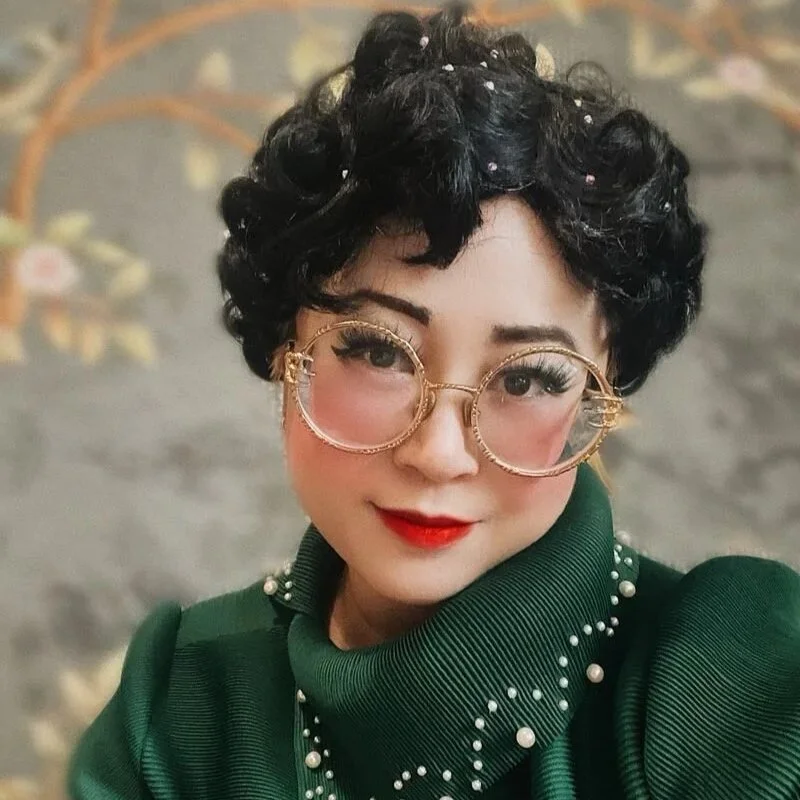
Esmé Weijun Wang
Esmé Weijun Wang is a New York Times-bestselling and award-winning author of The Collected Schizophrenias and The Border of Paradise. Her work has garnered the Whiting Award, Graywolf Nonfiction Prize, and selection as one of Granta's Best of Young American Novelists in their once-a-decade list. After being diagnosed with schizoaffective disorder and later with physical conditions including fibromyalgia, Wang developed innovative approaches to sustain her writing—often working from bed using her iPhone. As both an educator and public speaker represented by Art & Craft Speakers, Wang has helped hundreds of writers develop sustainable creative practices that honor their constraints while achieving meaningful publication goals. Her work consistently demonstrates that powerful writing emerges not despite limitations, but through them.
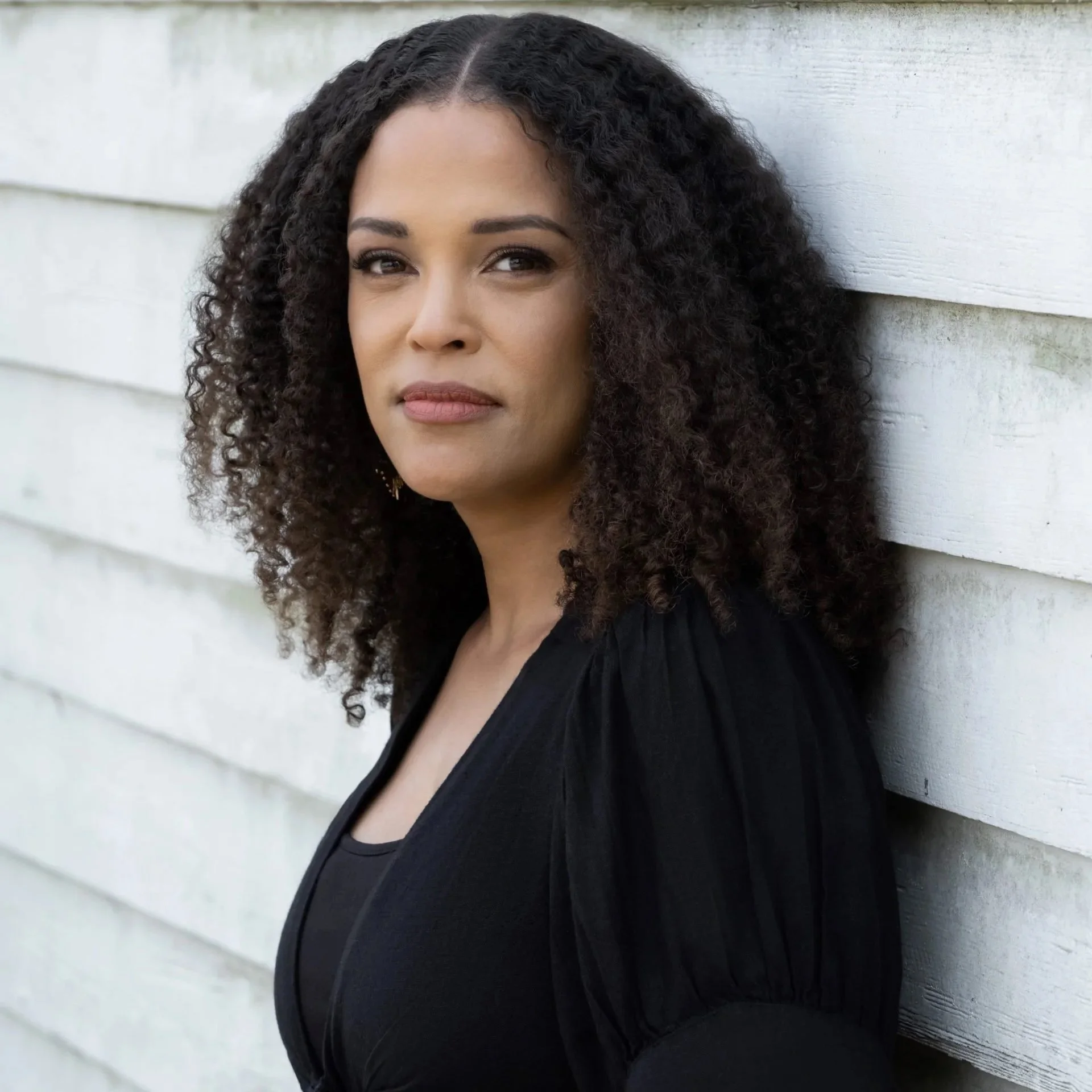
Jesmyn Ward
MacArthur “Genius Grant” recipient and two-time National Book Award-winner Jesmyn Ward has been hailed as the standout writer of her generation, proving her “fearless and toughly lyrical” voice in novels, memoir, and nonfiction. Betsy Burton of the American Booksellers Association has called her “the new Toni Morrison.” In 2017, she became the first woman and the first person of color to win two National Book Awards for Fiction—joining the ranks of William Faulkner, Saul Bellow, John Cheever, Philip Roth, and John Updike. In 2024, Men We Reaped, Salvage the Bones, and Sing, Unburied, Sing were named in the 100 Best Books of the 21st Century by the New York Times. In her new collection, On Witness and Respair: Essays, Ward brings her keen wisdom and lyrical prose to a variety of subjects, including the writers and novels that have influenced and enriched her. The acclaimed titular essay, which appeared in Vanity Fair, tells the story of her partner’s sudden death on the eve of the COVID-19 epidemic. In a starred review, Booklist praised the book as “marvelous and unforgettable.”
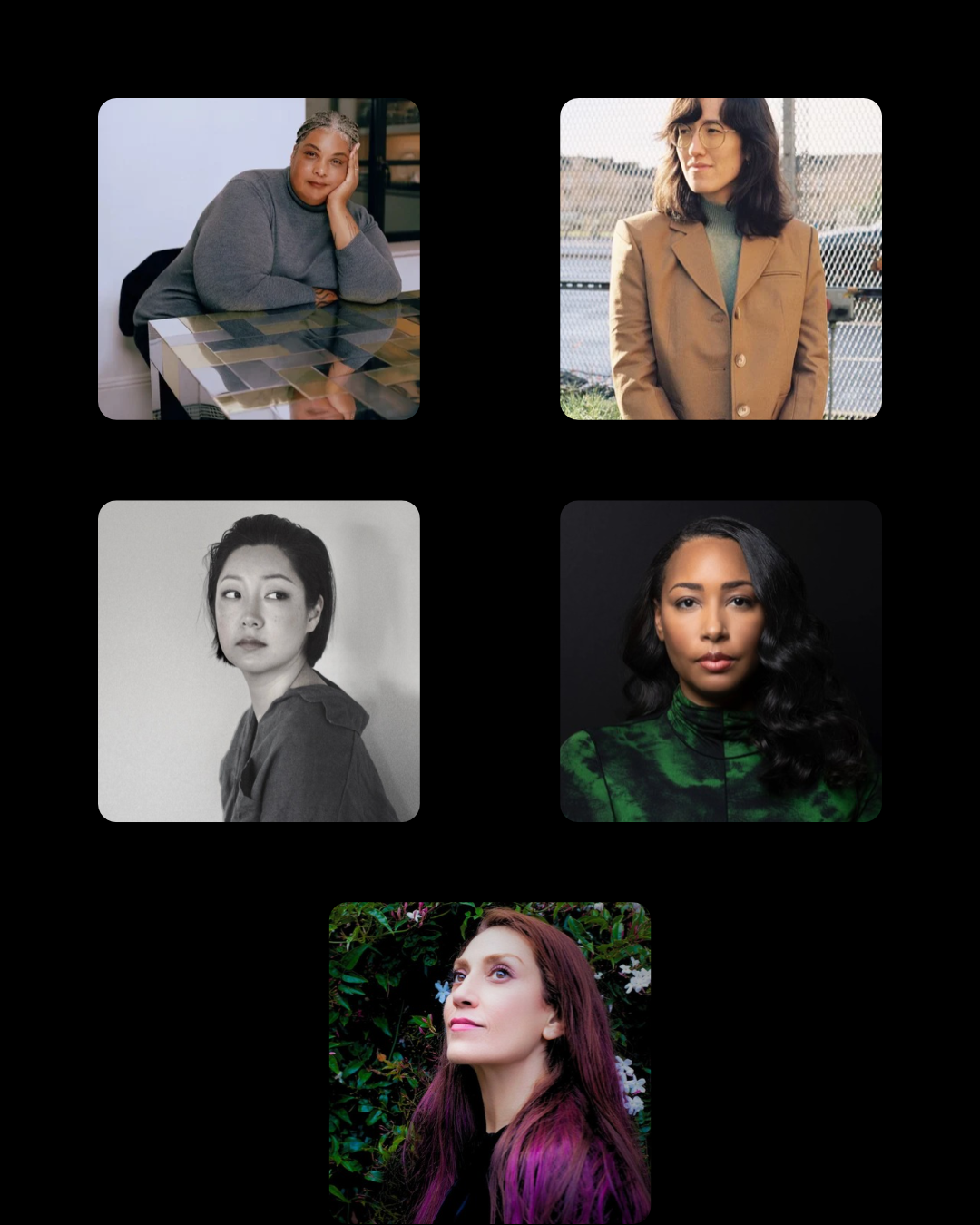
The Art of the Memoir (2026)
The Art of the Memoir was held in June of 2026, with guest speakers Roxane Gay, Katie Goh, E.J. Koh, Safiya Sinclair, and Niloufar Talebi.
Throughout the program, we engaged in craft conversations about how to write our memoirs, how to represent our communities with dignity, how to write without the boundary of genre. We also discussed the power of “the turn” with E.J. Koh; the importance of strength and clarity in the narrative with Safiya Sinclair; how to employ flash pieces into memoir with Niloufar Talebi; how to write with urgency and honesty with Roxane Gay, and how to engage in meaningful conversations across our cultures with Katie Goh.